
Understanding the Importance of Best Flex Material for Outdoor Advertising
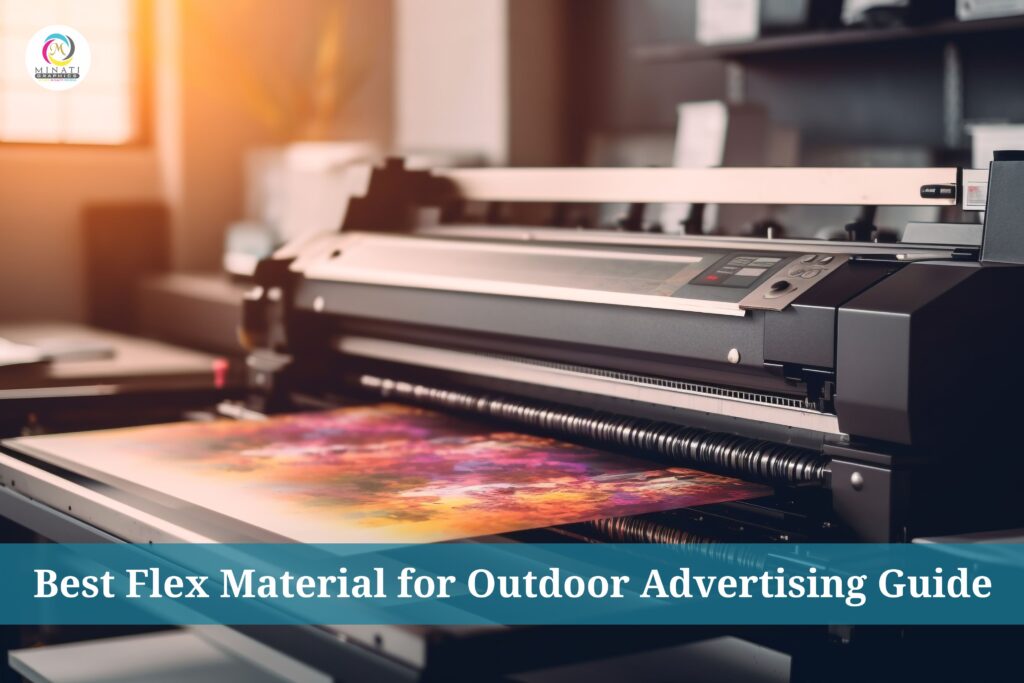
Outdoor advertising is exposed to sun, rain, wind and pollution every single day. Unlike indoor prints, outdoor banners must survive harsh environmental conditions while maintaining clarity and vibrancy. Choosing the best flex material for outdoor advertising is not just about appearance—it is about longevity and performance. A poorly selected material may fade within weeks, tear during strong winds or lose print clarity due to moisture. On the other hand, the right material ensures: Long-lasting color vibrancy Tear resistance Weather protection Professional brand presentation Businesses investing in outdoor promotions must prioritize quality over cost-cutting. At Minati Enterprises, the focus is always on selecting materials that deliver both visual impact and durability.
Types of Outdoor Flex Printing Material
Standard Outdoor Flex Printing Material
Outdoor flex printing material is widely used for hoardings, banners, shop signage and event displays. It is typically made from PVC-based sheets reinforced with polyester fabric for added strength.
This material is lightweight yet sturdy. It allows high-resolution graphics while remaining cost-effective. However, quality varies depending on thickness and coating.
For example, a retail store launching a seasonal sale may choose medium-weight flex for short-term campaigns. For longer campaigns, thicker material is recommended.
Frontlit vs Backlit Flex – Which One to Choose?
Understanding frontlit vs backlit flex is essential when planning signage.
- Frontlit flex is illuminated from the front. It is commonly used for hoardings and billboards exposed to direct light.
- Backlit flex allows light to pass through and is used in lightboxes for glowing signage at night.
If your advertisement needs nighttime visibility, backlit flex is ideal. For daytime road-facing banners, frontlit material works effectively.
Selecting between frontlit vs backlit flex depends on placement, lighting and marketing goals.
Key Features of the Best Flex Material for Outdoor Advertising
Weather Resistance and UV Protection
Weather resistant flex material is critical for outdoor campaigns. Exposure to sunlight can cause fading if the material lacks UV protection. For example, a roadside billboard facing direct sunlight for 10 hours daily requires UV-coated flex to maintain brightness. Without protection, colors may dull quickly. Rain resistance is equally important. Waterproof coatings prevent ink bleeding and maintain print sharpness.
Strength and Tear Resistance
Durable outdoor banner material must withstand strong winds. Reinforced edges and proper GSM (grams per square meter) ensure structural integrity.
For instance, event organizers installing banners in open grounds should opt for thicker GSM flex to prevent tearing during windy conditions.
High tensile strength ensures that banners remain intact even under pressure.
Comparing Vinyl Flex for Outdoor Advertising
Why Vinyl Is Popular for Outdoor Campaigns
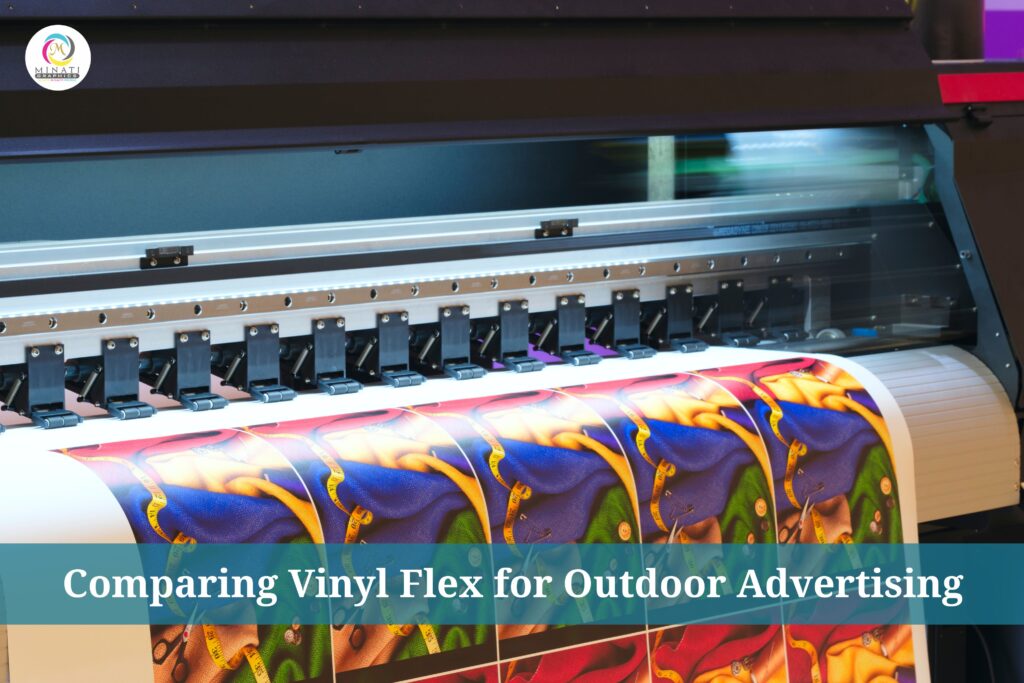
Vinyl flex for outdoor advertising is one of the most preferred materials due to its flexibility and strength. It provides excellent print clarity and withstands environmental stress.
Vinyl material offers:
- Smooth surface for vibrant graphics
- Water resistance
- Flexibility for various mounting styles
Retail outlets, political campaigns and corporate events often rely on vinyl flex due to its reliability.
Application Scenarios and Practical Use Cases
For example, a restaurant opening in a busy marketplace may install vinyl banners to attract foot traffic. Because of its durability, vinyl maintains quality throughout promotional periods. When combined with high quality flex printing, vinyl produces sharp text and bold imagery that enhances brand visibility.
Factors to Consider When Choosing Flex Material
Location and Environmental Exposure
Location plays a significant role in material selection. Coastal areas with high humidity require moisture-resistant material. Industrial areas exposed to dust may require stronger coatings.
Assessing environmental conditions ensures you select the best flex material for outdoor advertising.
Duration of Advertisement
Short-term campaigns may use lighter material, while long-term installations demand thicker, reinforced flex.
For example, a week-long festival banner may not require premium-grade material, but permanent shop signage certainly does.
Planning according to duration prevents unnecessary expenses.
Importance of High Quality Flex Printing
Why Printing Quality Matters as Much as Material
Even the strongest material will fail if the printing quality is poor. High quality flex printing ensures color accuracy, sharp details and long-lasting visuals. Advanced printing technology enhances resolution and ensures even ink distribution. At Minati Enterprises, modern printing equipment and skilled professionals ensure consistent output and superior finishing.
Ink Quality and Finishing Techniques
Premium inks resist fading and cracking. Finishing techniques such as lamination and edge reinforcement further increase durability.
These steps contribute to overall campaign effectiveness.
Budget vs Quality – Finding the Right Balance
Avoiding Cheap Alternatives
Low-cost materials may save money initially but often result in frequent replacements.
For example, a low-quality banner may fade within a month, requiring reprinting and additional installation costs.
Long-Term Investment Perspective
Investing in durable outdoor banner material ensures extended lifespan and consistent brand presentation.
Businesses should view flex material selection as a long-term investment rather than a short-term expense.
Professional Guidance for Best Results
Why Expert Consultation Matters
Choosing the best flex material for outdoor advertising requires technical understanding of material properties, printing techniques and environmental factors. Professional consultation ensures proper selection and execution.
How Minati Enterprises Supports Businesses
Minati Enterprises provides expert recommendations based on campaign goals, budget and environmental conditions.
From material selection to installation, the company ensures quality, durability and visual excellence.
Frequently Asked Questions About Best Flex Material for Outdoor Advertising
Q1. What is the best flex material for outdoor advertising?
It depends on campaign duration, location and exposure. Weather-resistant and UV-protected materials are generally recommended.
Q2. What is the difference between frontlit vs backlit flex?
Frontlit flex reflects light from the front, while backlit flex allows light to pass through for illuminated signage.
Q3. Is vinyl flex suitable for long-term use?
Yes. Vinyl flex for outdoor advertising is durable and resistant to environmental damage.
Q4. Why is weather resistant flex material important?
It prevents fading, tearing and moisture damage in harsh conditions.
Q5. How does high quality flex printing improve durability?
Premium printing ensures better ink adherence, color retention and overall longevity.
Q6. How do I choose durable outdoor banner material?
Consider environmental exposure, duration and professional guidance before selecting material.
Conclusion – Making the Right Choice for Outdoor Success
Selecting the best flex material for outdoor advertising is essential for campaign success. The right material ensures durability, vibrant visuals and long-term cost efficiency. Understanding different types of outdoor flex printing material, comparing frontlit vs backlit flex and prioritizing weather resistant flex material helps businesses make informed decisions. With professional expertise from Minati Enterprises, businesses can confidently create impactful outdoor campaigns that stand strong against environmental challenges.